Understanding DOT chain requirements is part of operating safely in changing road conditions, especially during winter travel. These rules are not always active, but when conditions demand them, failing to comply can lead to fines, delays, or being restricted from certain routes. For commercial drivers and carriers, knowing how chain laws work helps maintain compliance and keep operations moving without interruption.
Unlike many DOT regulations, chain requirements are not fully standardized at the federal level. Instead, they depend heavily on state laws and real-time weather conditions, which makes awareness and preparation important for interstate operations.
Working with a DOT compliance agency can help you stay prepared for changing requirements and keep your operation compliant across different states.
What Are DOT Chain Requirements?
DOT chain requirements refer to the rules that govern when and how tire chains must be used on commercial vehicles. These rules are designed to improve traction and reduce accidents in snow and ice conditions.
The Federal Motor Carrier Safety Administration (FMCSA) sets general safety expectations but does not define one universal rule for chain usage. Instead, federal guidance focuses on safe vehicle operation under hazardous conditions.
As a result, most enforcement comes from state-level regulations. Each state determines when chains are required, how they must be used, and which vehicles must comply.
Federal Role in Chain Compliance
At the federal level, the focus is on safe driving practices rather than specific equipment mandates. Drivers are expected to adjust to road conditions and operate their vehicles in a way that reduces risk.
This means that even without a strict federal chain rule, failing to use chains in unsafe conditions can still lead to violations under broader safety regulations. Federal oversight works as a framework, while states handle the details.
For carriers, this creates a situation where compliance is not just about knowing one rule but understanding how federal expectations and state laws work together.
How State Chain Laws Work
State governments define the actual requirements for tire chains. These laws vary based on geography, weather patterns, and road conditions.
Common features of state chain laws:
- Activation during snow or ice conditions
- Use of roadside signs to indicate chain requirements
- Seasonal requirements in certain regions
- Rules requiring chains to be carried in specific areas
States such as Colorado and California are known for actively enforcing chain laws during winter weather. In these regions, chain requirements can be triggered quickly based on changing conditions.
Because these laws are not identical across states, drivers traveling long distances must stay informed about each jurisdiction they enter.
When Chains Are Required
Chain requirements are typically activated when road conditions become hazardous due to snow or ice. Transportation authorities monitor weather conditions and issue alerts when chains are needed.
Drivers are notified through highway signage, digital alerts, and transportation updates. Once chain controls are in place, commercial vehicles must install chains before continuing on certain roads.
In mountainous or high-risk areas, enforcement can be strict. Vehicles without chains may be turned around or prevented from entering controlled routes. This makes it important to respond quickly when conditions change.
Where Chains Must Be Installed
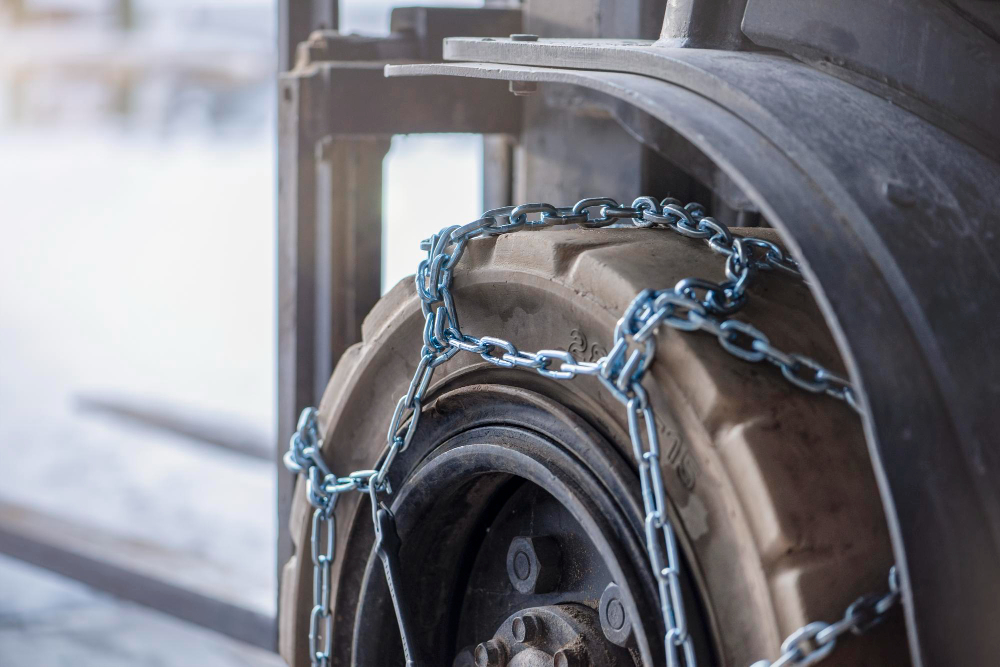
Proper chain placement is part of compliance. In most cases, chains must be installed on the drive axle to provide maximum traction.
For commercial trucks, this typically means placing chains on the primary drive tires. Some states may require additional chains depending on vehicle type, weight, or road conditions.
Correct installation is just as important as having chains available. If chains are installed incorrectly, they may not provide the intended traction and could still lead to violations during inspections.
Drivers must also check that chains are secure and properly fitted to avoid damage to the vehicle or reduced effectiveness on the road.
Carrying Chains vs Using Chains
A key part of understanding chain laws is knowing the difference between carrying chains and using them. In many states, commercial vehicles are required to carry chains during certain seasons or when traveling through designated routes.
Carrying chains means having them available in case conditions change. It does not always mean they must be installed at all times.
However, once chain controls are activated, drivers are expected to install them before proceeding. Failing to do so can result in penalties or restricted access to certain roads.
This distinction is important for DOT compliance, especially for drivers who travel through regions with unpredictable weather.
Chain Requirements by State
Chain laws vary widely across the United States, making it important to understand regional differences. Some states have detailed requirements, while others rely more on situational enforcement.
Examples of state variations:
- Colorado uses tiered chain requirements based on weather severity
- Oregon requires a specific number of chains to be carried
- California enforces chain controls through highway checkpoints
- Some states only require chains when conditions demand them
These differences highlight the importance of planning routes and staying informed about local regulations.
Penalties for Non-Compliance
Failing to follow chain requirements can lead to more than just fines. Drivers may face delays, restrictions, or increased scrutiny during inspections.
In some cases, penalties increase if a vehicle without chains causes a disruption, such as blocking traffic or contributing to unsafe conditions. Repeated violations can also impact a carrier’s safety record.
DOT compliance is not just about avoiding penalties. It also supports safer driving conditions for everyone on the road.
How Chain Compliance Fits into DOT Regulations
Chain requirements are part of a larger compliance system that includes vehicle safety, driver responsibility, and operational standards. Even though these rules are enforced at the state level, they connect directly to broader DOT expectations.
Ignoring chain requirements can lead to violations that affect safety scores and inspection outcomes. Over time, this may increase the likelihood of audits or enforcement actions.
Because of this, many carriers include winter readiness as part of their routine DOT safety inspection process. Addressing these details early helps reduce risk during inspections and keeps operations running smoothly.
Common Mistakes Drivers Make
Chain-related violations often come from simple oversights rather than complicated issues.
Common mistakes include:
- Not carrying chains in required areas
- Waiting too long to install chains after alerts
- Incorrect chain placement on tires
- Ignoring posted chain control signs
These mistakes can be avoided with better preparation and awareness.
Stay Prepared, Stay Compliant on Every Route
Changing road conditions and state-specific rules make compliance more than just paperwork. At Express Compliance, we help carriers stay aligned with DOT regulations through practical, ongoing support. As registered processing agents with the FMCSA, we assist with everything from initial DOT filings to safety audit preparation and compliance program setup.
Our team understands how federal and state rules connect, helping you stay organized, reduce violations, and keep your drivers operating legally. With the right support in place, you can focus on running your business while staying compliant on every mile. Get started here.